
What Is Backflow and Why Does It Occur?
Backflow is a plumbing issue that can threaten your home’s water safety by allowing contaminated water to reverse flow into the clean water supply. In Maryland homes, backflow typically occurs when there is a sudden change in water pressure such as during a main water line break or intense summer hydrant use. When pressure drops on the supply side, potentially hazardous substances like lawn chemicals, sewage, or stagnant water from garden hoses can be siphoned back into your tap water. This is a serious concern for residential and commercial properties alike, as it can pose health risks if not addressed.
Why Backflow Prevention Is Essential for Maryland Water Safety
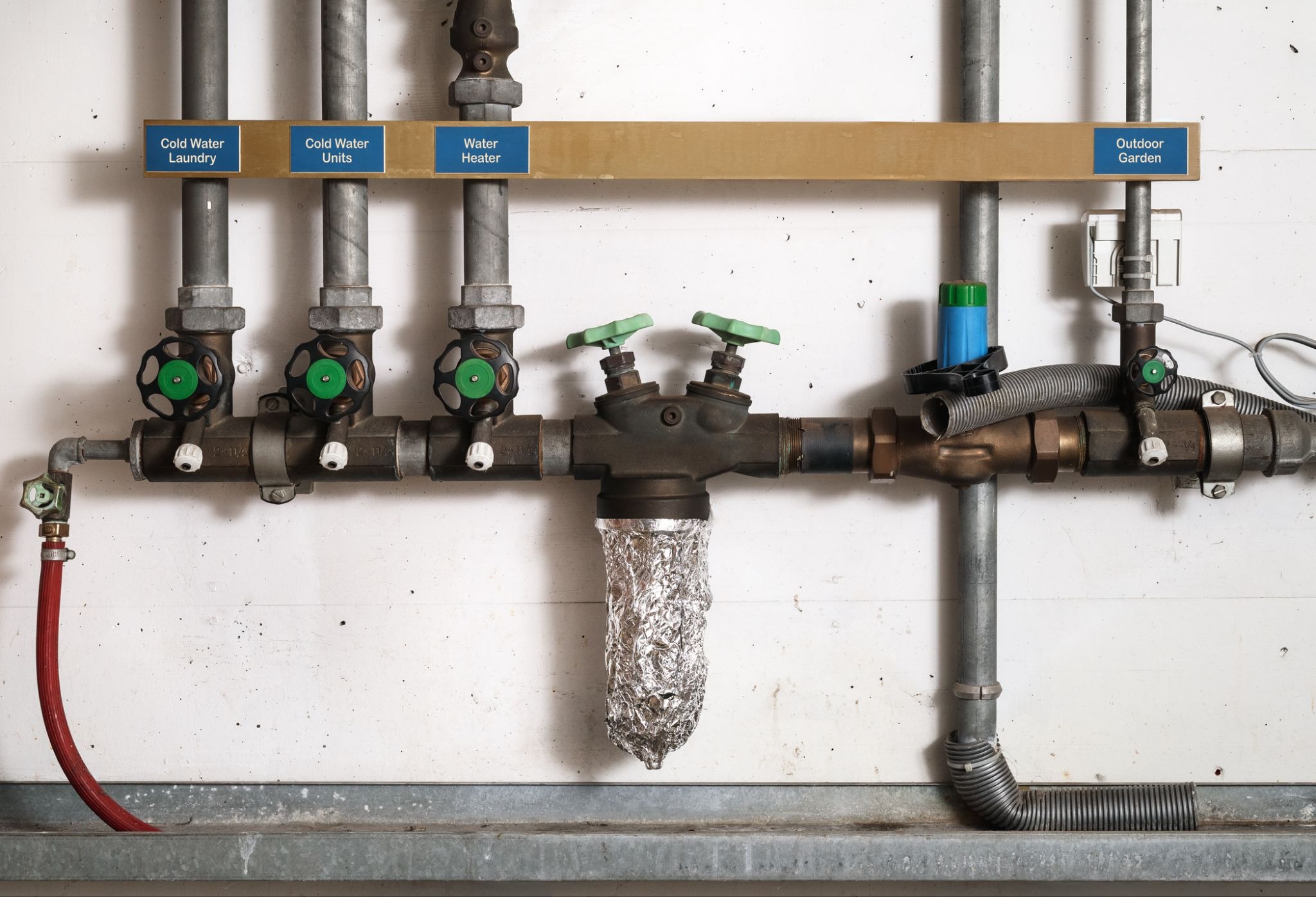
Maryland’s climate, with hot, humid summers and storm-prone seasons, increases the likelihood of pressure fluctuations and cross-connections in plumbing systems. This elevates the risk of backflow contamination, especially for homes with irrigation systems, pools, or boilers. Backflow prevention devices, such as check valves and air gaps, are crucial in blocking the reversal of water flow, protecting your household and the broader community from potential contaminants. Proper backflow prevention ensures that drinking water remains safe, contributing to public health and the integrity of the local water supply.
Local Regulations and Compliance: 2026 Backflow Testing Requirements
State and county regulations mandate that homeowners in Maryland periodically test and maintain backflow prevention devices. In 2026, the requirements are evolving, with continued focus on annual inspections for certain systems, such as those connected to sprinklers or fire suppression. Baltimore County, which covers Dundalk, closely monitors compliance, and non-compliance can result in fines or the interruption of water service. Licensed plumbing professionals must handle both the installation and annual backflow testing to ensure devices are functioning and compliant with the latest codes. These legal measures protect not only individual households but also the shared community water source.
Key Indicators You Need Backflow Prevention in Your Home
Some signs that your property may need a backflow prevention device include:
-
A visible cross-connection, such as a hose submerged in a pool or connected to a chemical sprayer
-
Installation of a lawn irrigation or sprinkler system
-
Notices from the county requiring annual backflow certification or testing
Ignoring these indicators can result in health risks and legal issues. Maryland’s EPA guidelines recommend immediate assessment if any of these risk factors apply to your home.
How Backflow Installations and Testing Work
Backflow installations are not a one-size-fits-all service. A trained specialist inspects your plumbing system to determine which type of device, such as a double check valve or a reduced pressure zone assembly, best meets local regulations and your property’s needs. Regular plumbing inspection and scheduled maintenance are vital, as even properly installed devices can fail over time due to wear or mineral buildup. In Dundalk and surrounding areas, professional plumbers use specialized equipment to test pressure and ensure ongoing compliance, making it crucial to entrust the work to a certified plumber who understands local requirements.
Contact Bamford Plumbing & Heating: Your Local Backflow Prevention Specialists
If you own a home in Dundalk, MD and want peace of mind knowing your water supply is safe, contact Bamford Plumbing & Heating for a comprehensive evaluation and expert installation or testing of backflow prevention devices. Call (301) 761-8932 to schedule your appointment, or fill out our online form to get started. Safeguard your home and community. Make backflow prevention a priority today.