
When it comes to the safety of your home, recognizing the early signs of a gas leak is crucial. Natural gas and propane are commonly used in residential heating, appliances, and water heaters. However, a leak can create dangerous conditions, especially when left unchecked during colder months when usage is higher. By understanding subtle symptoms and appropriate safety protocols, you can protect your home and family from significant risks.
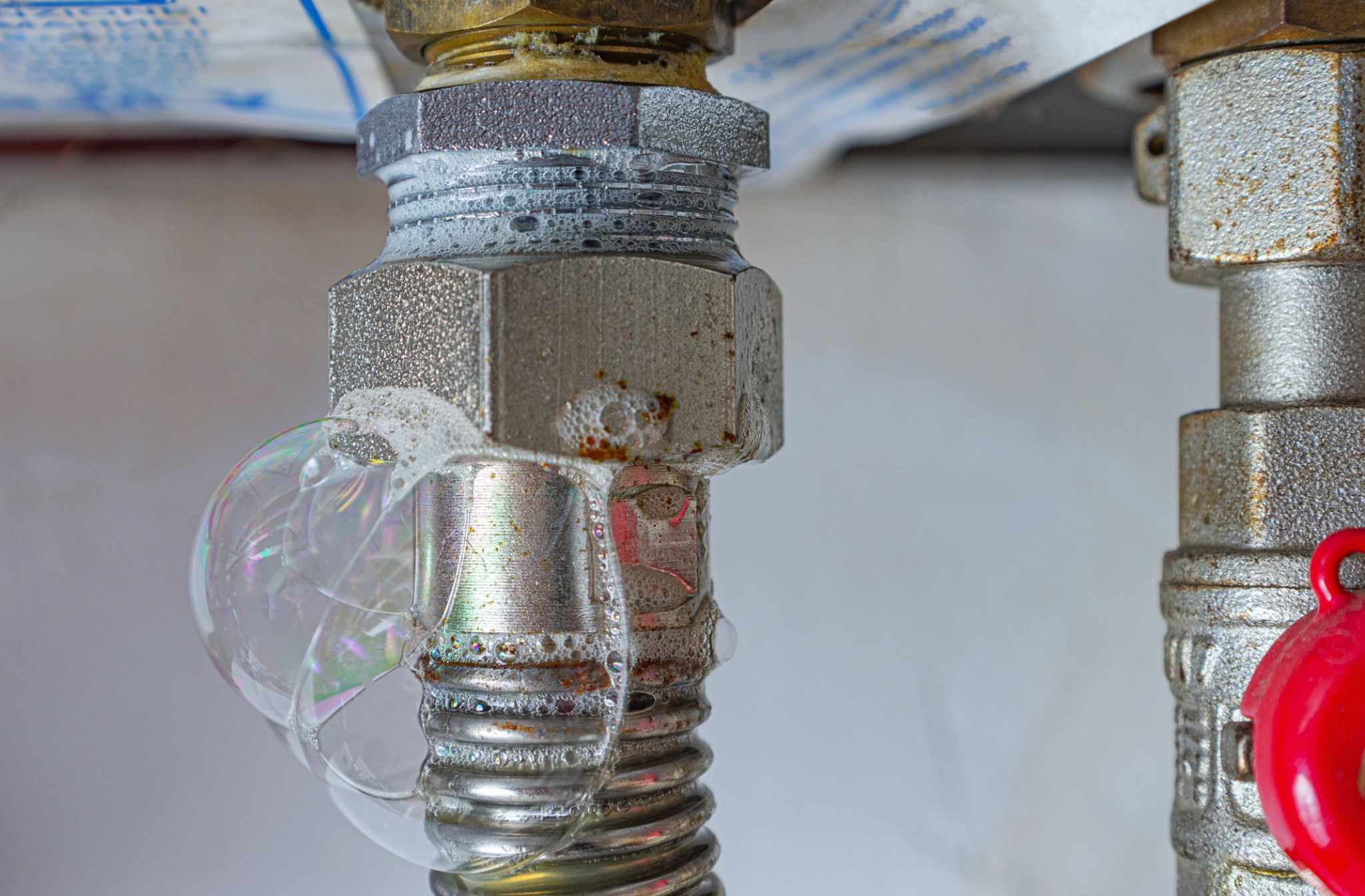
Subtle Indicators of a Gas Leak in Your Home
Gas leaks can sometimes go undetected because the signs are not always dramatic. It’s essential to pay attention to the following signs that may indicate a leak in your home:
-
A distinct rotten egg or sulfur-like smell is a telltale indicator of natural gas, as an odorant is added by utility providers for easy detection.
-
Hissing or whistling sounds near gas appliances or gas lines, especially if the noise is new or persistent.
-
Unexplained dead or discolored vegetation near an outdoor gas line: even in healthy summer months, a patch of grass that suddenly turns yellow could signal a leak.
-
Higher than usual gas bills, especially during the heating season, without a corresponding increase in appliance use.
-
Unusual feelings such as headaches, dizziness, fatigue, or nausea at home but not elsewhere; these health symptoms can occur from prolonged exposure to low levels of leaking gas.
Seasonal and Local Factors Affecting Gas Leak Detection
The climate in Dundalk often brings colder temperatures and increased use of heating systems during the fall and winter. This seasonal shift can put more pressure on older gas lines and connections, making timely gas leak detection essential. After significant rainfall or freezing conditions, shifting soil can also affect buried gas lines. Residents should be particularly vigilant after storms or during sudden cold snaps, when expansion and contraction of materials may increase the risk of leaks.
Homeowner Safety Protocols During a Suspected Gas Leak
If you suspect a gas leak, safety should always come first. Here is what to do if you notice any of the warning signs:
-
Immediately leave your home without attempting to locate the source of the leak or turn off any gas valves.
-
Avoid using electrical devices, phones, or light switches inside the house, as these could create sparks.
-
Do not smoke or light any flames.
-
Once safely outside, call your local gas company or emergency services.
Above all, never try to handle a gas leak on your own. Even minor gas leaks can lead to serious consequences, including fire or explosion if gas builds up indoors.
The Importance of Professional Gas Leak Services
Reliable gas leak detection and repair require the expertise of licensed professionals who have the right tools and training. Seasoned technicians use advanced equipment to identify leaks, replace compromised sections of piping, and verify the safety of all connections. Attempting DIY fixes is strongly discouraged, as improper repairs can worsen the risk and potentially violate local safety codes. Always rely on reputable specialists for emergency gas service and the safe restoration of your home’s gas supply.
When to Call for Gas Leak Detection and Emergency Gas Service in Dundalk, MD
If you’re experiencing any symptoms of a gas leak or notice suspicious odors or noises around your gas appliances, trust Bamford Plumbing & Heating to respond quickly and professionally in the Dundalk, MD area. With deep local experience and a commitment to safety, the team provides expert emergency gas service and thorough leak detection to protect your home and family. Reach out immediately by calling (301) 761-8932 or fill out our convenient online form on the website to schedule a prompt inspection.