Seasonal changes in Dundalk make it an ideal time for residents to turn on their irrigation systems and connect garden hoses for lawn care, gardening, and outdoor chores. However, once warmer months arrive and water systems get busier, the risk of backflow contamination rises significantly. Backflow occurs when water flows in the reverse direction back into your drinking water supply, potentially carrying contaminants like fertilizers, pesticides, or bacteria from gardens and outdoor areas. Understanding the risks and implementing prevention measures can help protect your household’s water quality and comply with local safety regulations.
How Seasonal Irrigation Systems Raise Backflow Concerns
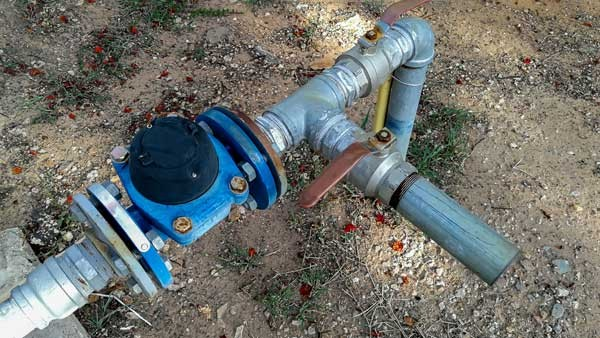
As sprinkler systems and irrigation lines are reactivated in the spring and summer, they can create pathways for contaminants to enter the plumbing system. Unprotected or poorly maintained irrigation systems are among the most common causes of backflow incidents, especially when they’re connected to hoses or spigots drawn from the main water supply without a proper backflow prevention device.
For example, if you are running your sprinkler system on a hot summer day while the public water main is undergoing maintenance, a sudden pressure drop could force contaminated water from your lawn back through the sprinkler heads and into your home’s water supply. This is a common scenario seen in Dundalk neighborhoods, particularly where irrigation systems have not been serviced or checked annually.
Garden Hoses: The Overlooked Source of Contamination
Garden hoses are convenient for many household tasks, but they can pose a significant risk when used improperly. If a hose is left submerged in a pool, bucket, or even a pesticide solution, and a pressure drop occurs in the main water line, the contaminated liquid can be sucked back into the potable water supply.
To prevent issues, homeowners should:
-
Use hose bib vacuum breakers on all outdoor faucets.
-
Avoid submerging hoses in any liquid.
-
Store hoses securely above the highest point they’ll be used.
These simple precautions are critical for preventing contaminant migration, especially during frequent outdoor water use in spring and summer.
Why Annual Backflow Testing and Prevention Are Essential
Local regulations and industry standards in Maryland recommend annual testing of all backflow prevention assemblies, particularly on irrigation systems and any cross-connection point. Certified professionals from Bamford Plumbing & Heating provide thorough inspections and comprehensive backflow prevention services to ensure your system is compliant and your water remains safe year-round.
Annual testing is not just a matter of compliance. It’s a proactive way to identify mechanical failures, valve malfunctions, or unnoticed breaches in your water system before they lead to contamination. When a certified plumber tests your system, they’ll inspect, repair, and, if necessary, replace worn-out prevention devices, maintaining the integrity of your property’s water supply.
Common Signs of Backflow Issues to Watch For
Although backflow incidents are not always obvious, some warning signs often include:
-
Unusual tastes or odors in tap water
-
Water discoloration
-
Visible debris or cloudiness in fixtures
If you notice any of these signs or if your home has not had a backflow inspection in the past year, it is important to contact a licensed plumber immediately. Plumbing repairs and water line services from experienced technicians can help resolve these issues promptly, preventing further health and safety risks.
Protect Your Dundalk Home—Schedule Backflow Testing Today
Safeguarding your home’s water supply from backflow contamination is more important than ever, especially as spring and summer activities pick up in Dundalk, MD. Trust Bamford Plumbing & Heating to conduct expert annual testing and maintenance for your irrigation systems, garden hoses, and indoor fixtures. Call (301) 761-8932 or fill out our online form to schedule your inspection and enjoy peace of mind throughout the season.